
Tel: +86 151 9566 5312
ADD: No. 588, Datong Road, Wuyi Town, Nanqiao District, Chuzhou City, Anhui Province, China.
Yoga mats are essential‑use items for yoga practice, as they come into direct contact with practitioners’ skin. Therefore, selecting a safe, non‑toxic and odor‑free yoga mat is particularly important. TPE, PVC and EVA are the most widely‑used raw materials for yoga mats on the market. This article compares these three materials from multiple dimensions to analyze which one delivers better cost‑performance.
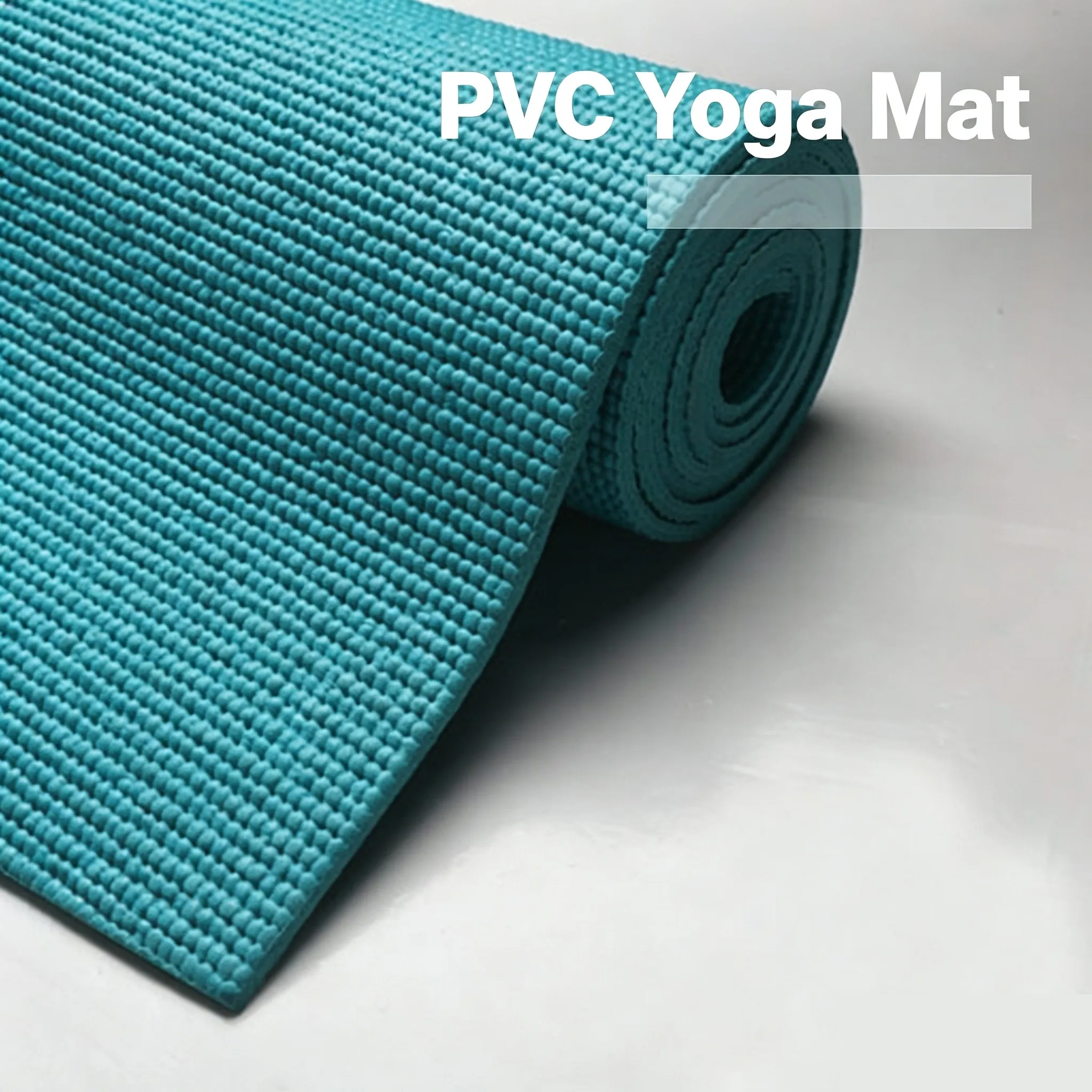
In terms of price, PVC is the most affordable material with decent durability. However, PVC yoga mats are not highly recommended. PVC contains plasticizers that may migrate to the human body, which could cause health risks with long‑term use. Besides, PVC is non‑recyclable and not eco‑friendly.
 |
 |
 |
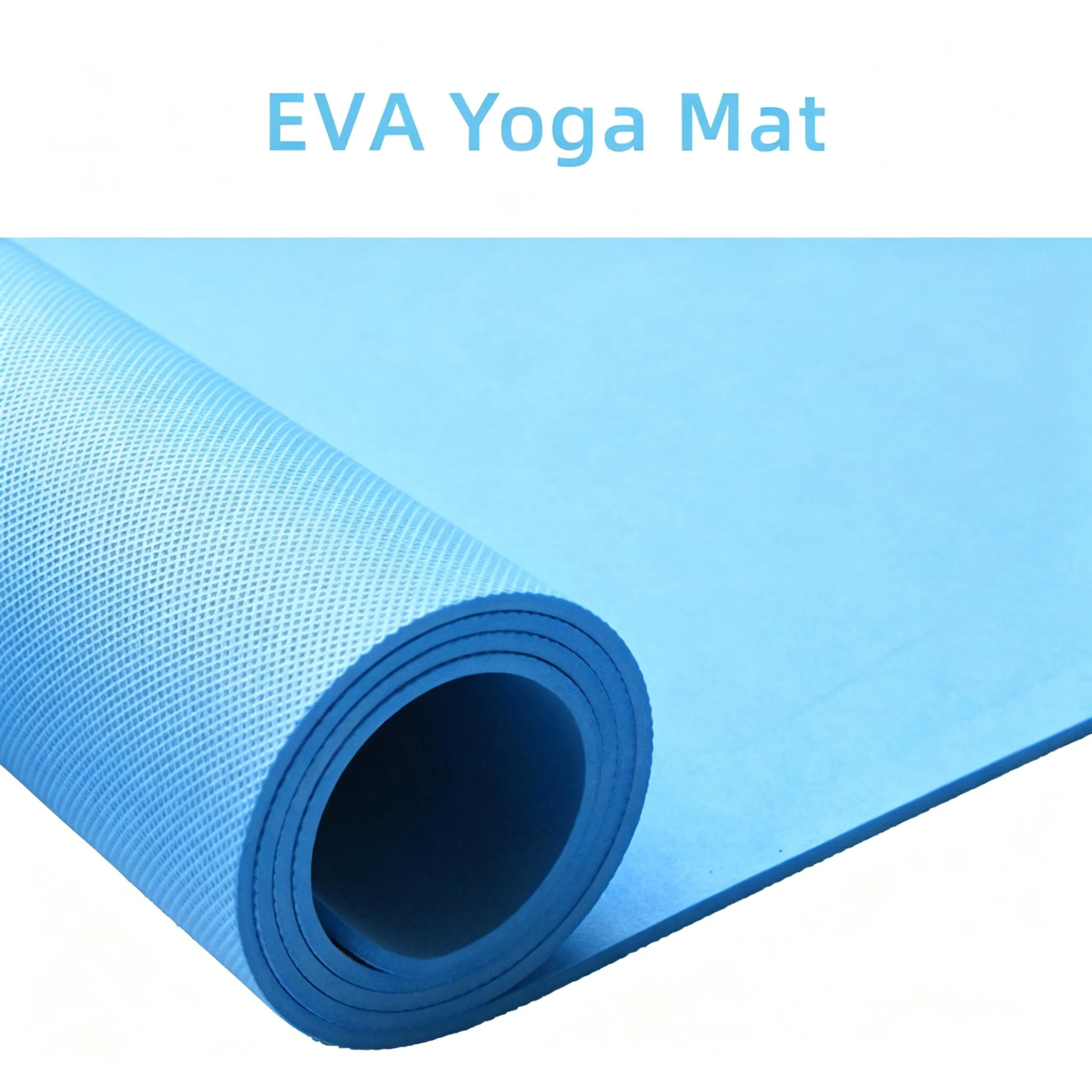
EVA is slightly more expensive than PVC and features better environmental performance. It is frequently applied for sneaker outsoles. EVA offers decent anti‑slip property and wear resistance, yet it tends to produce strong odors. It is not suitable for people suffering from allergic rhinitis for long‑time use.
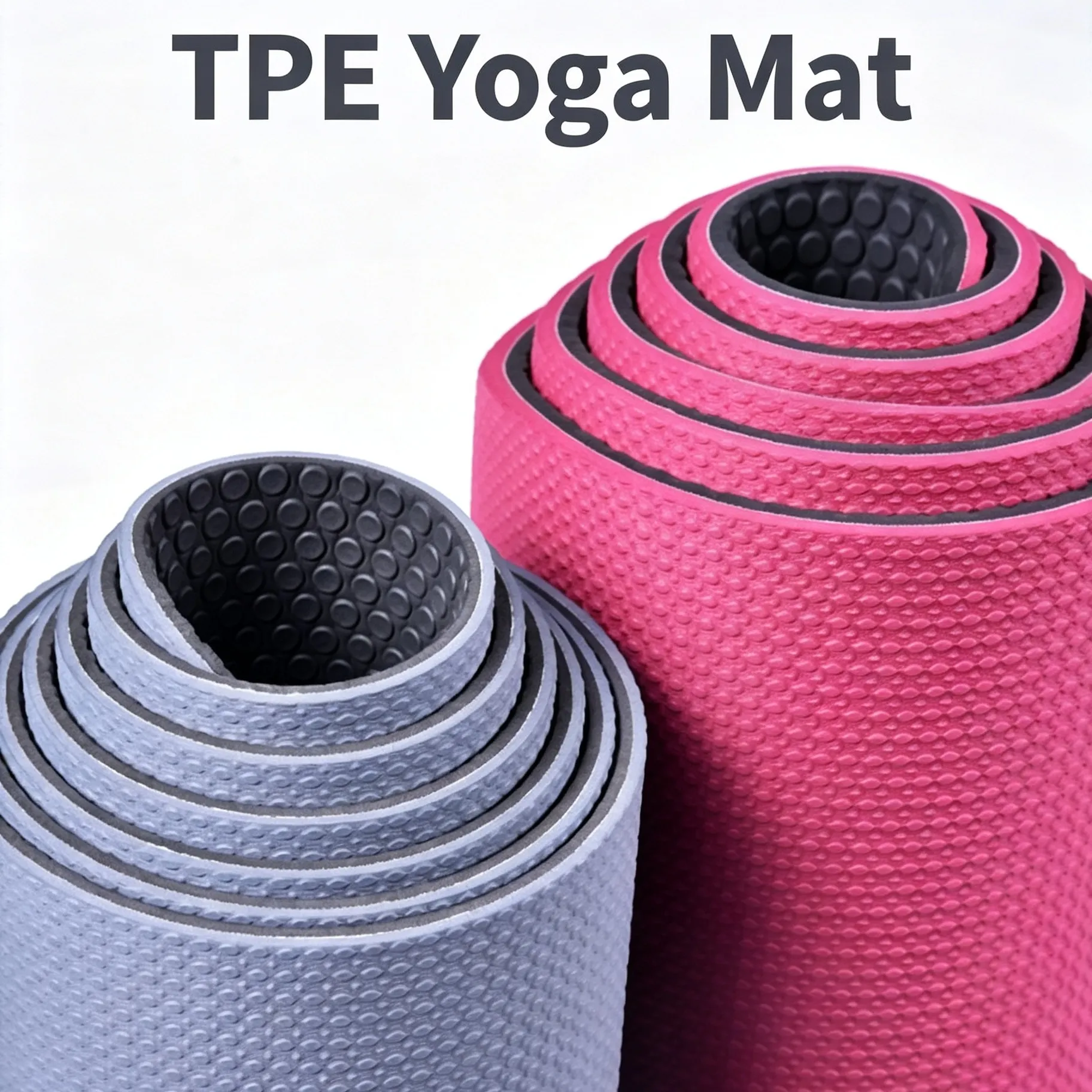
TPE costs slightly more than the above‑mentioned two materials. It is recyclable to help cut relevant costs and ranks top in environmental‑friendliness. Formulated with pure components, TPE is non‑toxic and odor‑free. It causes no irritation or allergy even with prolonged skin contact, making it fit for all consumer groups. Additionally, TPE boasts outstanding weather resistance, scratch resistance, slip resistance, hydrolysis resistance and easy‑to‑clean properties, bringing superior overall cost‑performance.
To sum up, yoga mats made from TPE outperform those of PVC and EVA. Remember to check material labels carefully when purchasing yoga mats.
Yoga mats are essential‑use items for yoga practice, as they come into direct contact with practitioners’ skin. Therefore, selecting a safe, non‑toxic and odor‑free yoga mat is particularly important. TPE, PVC and EVA are the most widely‑used raw materials for yoga mats on the market. This article compares these three materials from multiple dimensions to analyze which one delivers better cost‑performance.
In terms of price, PVC is the most affordable material with decent durability. However, PVC yoga mats are not highly recommended. PVC contains plasticizers that may migrate to the human body, which could cause health risks with long‑term use. Besides, PVC is non‑recyclable and not eco‑friendly.
|
|
|
EVA is slightly more expensive than PVC and features better environmental performance. It is frequently applied for sneaker outsoles. EVA offers decent anti‑slip property and wear resistance, yet it tends to produce strong odors. It is not suitable for people suffering from allergic rhinitis for long‑time use.
TPE costs slightly more than the above‑mentioned two materials. It is recyclable to help cut relevant costs and ranks top in environmental‑friendliness. Formulated with pure components, TPE is non‑toxic and odor‑free. It causes no irritation or allergy even with prolonged skin contact, making it fit for all consumer groups. Additionally, TPE boasts outstanding weather resistance, scratch resistance, slip resistance, hydrolysis resistance and easy‑to‑clean properties, bringing superior overall cost‑performance.
To sum up, yoga mats made from TPE outperform those of PVC and EVA. Remember to check material labels carefully when purchasing yoga mats.

Tel: +86 151 9566 5312
ADD: No. 588, Datong Road, Wuyi Town, Nanqiao District, Chuzhou City, Anhui Province, China.